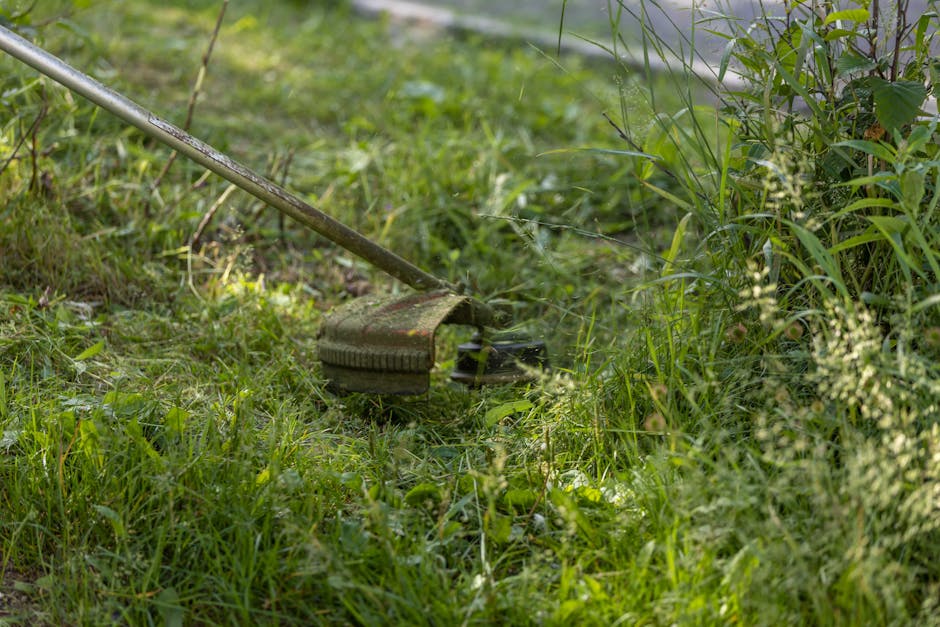
Gardeners for Yeading Brook Meadows estates and courtyards: a practical guide to neat, safe, welcoming shared outdoor spaces
If you manage, live in, or represent a development near Yeading Brook Meadows, you already know the difference a well-kept courtyard or estate garden can make. It is not just about looking tidy for a day or two. Gardeners for Yeading Brook Meadows estates and courtyards help create spaces that feel cared for, usable, safer underfoot, and far easier to manage over the long term. That matters in shared areas, where one neglected bed, one overgrown hedge, or one slippery path can affect everyone.
This guide explains what good estate and courtyard gardening actually involves, how the work is organised, what to prioritise, and the mistakes that cause the most trouble. You will also find a clear checklist, a realistic comparison table, and a few grounded tips from the sort of day-to-day situations that come up in communal landscapes. Nothing fancy. Just useful, honest detail.
For a broader view of what a professional service can cover, you may also want to look at the services overview and the main garden maintenance page.
- Why it matters
- How it works
- Key benefits
- Who needs this
- Step-by-step guidance
- Expert tips
- Common mistakes
- Tools, resources and recommendations
- Law, compliance, standards, or best practice
- Options, methods, or comparison table
- Case study or real-world example
- Practical checklist
- Conclusion
- Frequently Asked Questions
Why Gardeners for Yeading Brook Meadows estates and courtyards Matters
Shared outdoor space is a funny thing. When it works, people barely notice it. The grass is trimmed, the borders are under control, litter is cleared away, and the courtyard feels calm. When it does not work, everybody notices. Fast.
For estates and courtyards, gardening is not only about presentation. It affects access, safety, drainage, pest pressure, and how residents experience the whole development. A narrow paved courtyard with planting around the edges can look elegant, but if the planting spills into walkways or blocks sightlines, it becomes awkward and sometimes unsafe. A larger estate lawn may seem simple, yet if mowing is irregular, clippings build up, edges go ragged, and the whole site starts to feel less cared for.
In practical terms, good gardening helps with:
- keeping paths and entrances clear
- reducing trip hazards from unchecked growth
- maintaining a consistent visual standard across communal areas
- protecting planting schemes from being damaged by poor cutting or overwatering
- making it easier for residents, visitors, and contractors to move through the site
That is especially relevant in compact courtyards, where every square metre has to work harder. You do not have the luxury of wasteful planting or sloppy maintenance. The space has to earn its keep, really.
Expert summary: In shared estates and courtyards, the goal is not simply "nice gardens". The goal is reliable, repeatable upkeep that keeps the space usable, presentable, and easy to manage week after week.
If the site also includes structural features such as timber seating, raised platforms, or access routes, it may be sensible to coordinate with decking services or light landscaping work so the planting and hard surfaces support each other rather than fight for space.
How Gardeners for Yeading Brook Meadows estates and courtyards Works
Good estate gardening is usually a planned, recurring service rather than a one-off visit. The exact schedule depends on the site, but the working pattern tends to be straightforward: inspect, prioritise, carry out the right tasks, remove waste, and report anything that needs attention next time.
On a typical shared site, the work might include mowing small lawns, trimming hedges, clearing leaves, cutting back encroaching growth, weeding borders, edging paths, and tidying entrances. In courtyards, the focus is often on maintaining shape and balance rather than heavy intervention. In larger communal gardens, the emphasis shifts more toward consistency and seasonal management.
A sensible process usually looks like this:
- Initial assessment. The gardener checks access, surfaces, planting, drainage points, and any obvious risks or recurring problem areas.
- Priority setting. High-impact tasks come first: access, overgrowth, safety, and anything affecting residents immediately.
- Routine maintenance. This includes mowing, trimming, weeding, deadheading, pruning, and tidying.
- Seasonal work. Leaf clearance, cutbacks, bed preparation, and shape control are handled in line with the time of year.
- Waste handling. Green waste is collected, removed, and disposed of responsibly.
- Review and follow-up. Any site issues are noted, such as broken edging, poor irrigation, or a hedge needing a different pruning approach next time.
Some estates need a more maintenance-led approach, while others benefit from a broader reshaping through landscape gardening. The right answer depends on the site's age, planting style, and how much time residents actually spend outside. Truth be told, a lovely plan on paper can fail quickly if it is too delicate for day-to-day use.
Key Benefits and Practical Advantages
There are obvious benefits, and then there are the quieter ones. The obvious ones are visual: a cleaner, sharper, more welcoming space. The quieter ones are often where the real value sits.
- Better first impressions. Visitors notice tidy borders, healthy turf, and clean edges immediately.
- Improved safety. Regular cutting back reduces overgrowth near paths, doors, and shared access routes.
- Less reactive repair work. Routine maintenance usually costs less than letting a site become unruly and then trying to recover it in one hit.
- Healthier planting. Proper pruning and seasonal care help plants settle and grow in a more balanced way.
- Cleaner communal use. Residents are more likely to use shared courtyards when they feel looked after.
- Better long-term planning. Once a site is under control, it becomes easier to improve it gradually rather than patching problems constantly.
There is also a morale effect, which sounds a bit soft until you see it in action. A tidy courtyard changes how people use the space. Someone sits out for five minutes with a coffee. A child's pram gets parked more neatly. A resident actually pauses to enjoy the planting. Small stuff, but it adds up.
Where broader site improvements are needed, the maintenance plan may sit alongside lawn mowing, hedge trimming, or occasional garden clearance after a long neglected period.
Who This Is For and When It Makes Sense
This kind of service is a good fit for anyone responsible for shared outdoor space. That includes managing agents, property managers, resident associations, landlords, block owners, and private developments with communal courtyards or estate planting.
It also makes sense for residents when the space is technically shared but informally looked after by a small group. That arrangement often starts with good intentions and ends with nobody quite knowing who last cut the hedge. We have all seen that sort of thing happen.
You will usually need gardeners for estate and courtyard areas when:
- the site must stay presentable all year
- grass, hedges, or shrubs are becoming hard to control
- paths or entrances are partially blocked by growth
- the planting style looks tired and needs structured upkeep
- there is pressure to reduce complaints from residents
- seasonal tasks keep getting missed
It is also relevant when a site contains mixed surfaces and features: a small lawn here, raised planters there, perhaps a timber platform, and then a tight paved area in between. Those places need judgement, not just muscle. That is often where a more complete service package from garden maintenance becomes useful.
Step-by-Step Guidance
If you are planning work for Yeading Brook Meadows estates and courtyards, a simple process keeps things far smoother than trying to solve everything in one go.
1. Walk the site properly
Start with a slow walkthrough. Look at access routes, corners where leaves gather, places where weeds keep returning, and any plants that are causing shade, blockage, or mess. Do not rush this part. The first walk usually tells you more than a dozen emails.
2. Separate urgent issues from routine upkeep
Urgent issues might include overgrown paths, low branches, visibility problems, or plant damage affecting movement. Routine work includes mowing, edging, deadheading, and border tidying. Sorting those categories early helps you avoid spending time on pretty details while the real problem sits there glaring at everyone.
3. Decide the maintenance frequency
Courtyards often need lighter but more regular attention. Larger estate spaces may work better with a weekly, fortnightly, or seasonal rhythm depending on growth rate and use. The key is consistency. A little-and-often approach usually looks better than a heroic tidy-up every few months.
4. Match the work to the season
Spring and early summer tend to demand growth control and definition. Late summer often shifts toward keeping things tidy and preventing plants from collapsing into paths. Autumn brings leaf management. Winter is commonly about structure, clearance, and setting the site up for the next growing cycle.
5. Use the right team for the right task
Not every task is the same. Some needs are purely routine, such as mowing or weeding. Others need more specialist care, such as heavier pruning or removal of awkward growth. For example, if trees are becoming a problem near communal access routes, it may be appropriate to review tree lopping and removal options rather than simply cutting around the issue.
6. Review waste handling and sustainability
Green waste should not become a second problem. Ask how cuttings, branches, and clearance waste are handled. A responsible process matters, especially on shared sites where bins are already under pressure. You may also want to think about the company's broader approach to recycling and sustainability.
Expert Tips for Better Results
Here are a few practical points that make a real difference, and they are simple enough to apply without turning the whole thing into a project manager's spreadsheet.
- Keep edges crisp. Even when the planting is modest, clear edges make a site look cared for. It is one of the quickest visual wins.
- Protect sightlines. In courtyards, people feel more comfortable when they can see where they are walking and who is approaching.
- Don't let one plant dominate. A vigorous shrub or self-seeded tree can unbalance a small communal space very quickly.
- Plan for access before the growth starts. Tight spaces are easier to maintain when tools, gates, and bin routes are thought through in advance.
- Use lighter interventions more often. This keeps the site manageable and avoids that overcut, slightly harsh look that some gardens get after a rare big tidy-up.
- Keep a seasonal eye on drainage. Courtyards can trap water or debris in corners. If you ignore that, it comes back to haunt you in wet weather.
One useful habit is to treat maintenance as a conversation with the site. You cut back a little, observe what comes back, and adjust. A good gardener does not just repeat tasks. They notice patterns. That is the difference, usually.
Common Mistakes to Avoid
Most communal garden problems are not dramatic. They are the result of small misses repeated over time. To be fair, that is what makes them so annoying.
- Only reacting when the site looks bad. By then, the work is harder and often more expensive.
- Cutting everything on the same schedule. Courtyards, lawns, hedges, and shrub beds all grow at different speeds.
- Ignoring access routes. A beautiful bed is not useful if it narrows the path or blocks a bin store.
- Over-pruning or topping plants. That can create weak regrowth and ugly shapes.
- Not planning for waste removal. Clippings and branches build up quickly on a shared site.
- Choosing the cheapest option without checking the scope. A low quote that excludes key tasks can look good on paper and fail in practice.
Another common issue is assuming the same treatment works across the entire development. It rarely does. The sunny courtyard corner may need different attention from the shaded side by the bin store. The lawn near the entrance may need a different mowing pattern from the back section. Small differences matter.
Tools, Resources and Recommendations
For a professional team, the right tools make the job cleaner, quicker, and safer. For residents or managers trying to understand what should happen, it helps to know the basics.
| Task | Useful tools or equipment | What good practice looks like |
|---|---|---|
| Lawn care | Commercial mower, edging tool, strimmer | Even cut, clean edges, clippings removed or managed properly |
| Hedge trimming | Hedge trimmer, hand tools, secure ladders where appropriate | Balanced shape, no ragged overshoot, clear pathways |
| Weed control | Hand tools, mulch, targeted treatment where suitable | Weeds removed before seeding, borders kept clean |
| Clearance work | Cutters, saws, sacks, loaders or removal arrangements | Waste removed efficiently, site left tidy and safe |
| Pruning and shaping | Secateurs, loppers, saws | Healthy cuts, no unnecessary stress to the plant |
For a site with more intensive buildup, the right starting point may be a careful clearance before maintenance begins. In that case, a one-off garden clearance can reset the site so ongoing work becomes realistic again.
And yes, a pair of gloves, a rake, and a decent plan still matter. Tools do not replace judgement. Never have, never will.
Law, Compliance, Standards, or Best Practice
For communal gardens and courtyards, the main thing is not to treat maintenance as casual tidying. Shared areas often carry normal duties around safety, access, and responsible upkeep. The exact obligations depend on who owns or manages the site, but a cautious, professional approach is always sensible.
In practical terms, best practice usually includes:
- making sure pathways and entrances stay reasonably clear
- managing trip hazards caused by growth, debris, or loose waste
- working safely around residents, visitors, and parked vehicles
- using appropriate equipment for the site layout
- handling waste responsibly and avoiding nuisance
- keeping a record of what has been done, especially for recurring communal jobs
If you are hiring a contractor, it is wise to ask about safety procedures and public liability arrangements. You can review a company's insurance and safety approach and its health and safety policy before work begins. That is not being awkward. It is sensible property management.
For residential buildings, access and communication matter too. If residents need information in a different format, a provider's accessibility statement can be a helpful signal that the business takes inclusive access seriously. And if you are comparing quotes, reading the pricing and quotes guidance can help you understand what is included and what is not.
Options, Methods, or Comparison Table
There is no single right way to care for estates and courtyards. The best method depends on the size of the site, how visible it is, and how much variation the planting has. Here is a simple comparison.
| Approach | Best for | Pros | Limitations |
|---|---|---|---|
| Light regular maintenance | Small courtyards, neat developments, low-to-moderate growth | Consistent appearance, lower disruption, easier budgeting | May not be enough for neglected or fast-growing sites |
| Seasonal maintenance visits | Sites with slower growth or limited budgets | Useful for leaf fall, cutting back, and periodic tidy-ups | Can let weeds and edges drift between visits |
| Maintenance plus clearance | Overgrown estates or newly acquired sites | Resets the area and makes ongoing care more realistic | Heavier first visit, more waste, more initial work |
| Combined maintenance and landscaping | Sites needing both upkeep and improvement | Solves short-term problems while improving layout and use | Requires clearer planning and coordination |
If your courtyard is awkwardly laid out or underused, a broader landscaping review can sometimes make maintenance easier, not harder. That is the trick. Good design reduces friction. Bad design creates more work forever. Harsh, but true.
Case Study or Real-World Example
Imagine a small residential courtyard with four planting beds, a narrow shared path, and a patch of lawn that residents occasionally use in summer. Nothing extravagant. The problem is that the hedge has started to lean over the walkway, weeds are appearing around the paving, and the grass is being cut inconsistently, so the whole space looks slightly tired by midweek.
Rather than trying to fix everything with one dramatic visit, a sensible approach would be:
- trim the hedge to restore the walking line
- clear weeds from the paving and bed edges
- reset the lawn to an even finish
- remove clippings and fallen debris
- check whether any plants are overcrowded or poorly placed
- agree a regular rhythm for follow-up care
After the initial tidy-up, the courtyard becomes easier to manage. Residents can move through it without ducking branches, the planting looks intentional again, and the site stops feeling like it is one week away from trouble. That is usually the moment people realise the value of routine care. Not glamorous, just very effective.
Where a site has a timber seating platform or edge detail around the courtyard, it can help to line up maintenance with decking services so the soft and hard landscaping remain in step.
Practical Checklist
Use this checklist if you are planning or reviewing gardeners for Yeading Brook Meadows estates and courtyards.
- Walk the whole site and note problem areas
- Separate urgent safety issues from cosmetic ones
- Check access routes, gates, and bin areas
- Confirm how often mowing, trimming, and weeding should happen
- Ask what is included in routine visits
- Ask what happens to green waste and cuttings
- Review whether any clearance work is needed first
- Check that plant pruning will suit the species and the season
- Make sure the contractor works safely around residents and visitors
- Keep a simple record of recurring issues and completed work
- Update the plan after seasonal changes
If you are still deciding whether to proceed, a good first step is simply to get the site assessed and ask for a clear scope. That avoids misunderstandings later, which, let's face it, saves everybody a headache.
Conclusion
Gardeners for Yeading Brook Meadows estates and courtyards are about more than keeping things tidy. They help shared spaces function well, feel welcoming, and stay manageable over time. The best results usually come from regular, thoughtful maintenance rather than large, occasional interventions. That means clear priorities, the right seasonal work, sensible waste handling, and a realistic plan for the space you actually have.
If your estate or courtyard is starting to feel a bit out of rhythm, do not wait until it turns into a bigger job. A steady approach is easier, calmer, and usually better value in the end. Small improvements, repeated properly, make a real difference. They really do.
Get a free quote today and see how much you can save.
If you want to learn more about the business behind the service, you can also read the about us page or use the contact us page when you are ready to discuss your site in more detail.
Frequently Asked Questions
What do gardeners for estates and courtyards usually do?
They normally handle routine upkeep such as mowing, hedge trimming, weeding, border tidying, leaf clearance, pruning, and general presentation work. On shared sites, they also keep access routes clear and remove waste so the area stays safe and usable.
How often should a communal courtyard be maintained?
That depends on the size of the space, the planting, and how quickly things grow. Many courtyards benefit from lighter, more frequent visits rather than occasional big tidy-ups. Regular attention is usually the smarter option.
Is garden clearance needed before ongoing maintenance starts?
Sometimes, yes. If a site has been neglected or overgrown, a clearance visit can reset it so regular maintenance becomes practical again. Without that first step, routine work can feel like trying to empty a bath with the tap still running.
Can gardeners help improve the look of an estate without redesigning everything?
Absolutely. Small changes such as better edging, cleaner pruning, improved mowing, and tidier borders can transform the feel of a space without a full redesign. In many cases, maintenance is the best first move.
What is the difference between maintenance and landscaping?
Maintenance keeps an existing garden in good condition. Landscaping changes the layout, materials, or structure of the space. If a courtyard feels awkward or hard to manage, landscaping may make maintenance easier later on.
How do I know if my site needs hedge trimming or tree work?
If hedges are narrowing paths, blocking light, or losing shape, trimming is usually due. If trees are overhanging access routes, causing safety concerns, or creating a persistent problem, a review of tree work may be more appropriate.
What should be included in a quote for estate garden work?
A good quote should make it clear what tasks are included, how often visits happen, whether waste removal is covered, and whether any one-off clearance or specialist work is separate. Clarity matters more than a low headline number.
Are communal gardens and courtyards harder to maintain than private gardens?
Often, yes, because shared spaces have more users, more foot traffic, and more coordination issues. They also need to look good for different people at once. That makes consistency especially important.
How can I keep a courtyard looking tidy between visits?
Keep bin stores organised, avoid cluttering paths, remove obvious litter quickly, and do not let residents treat planting beds like extra storage. Small habits make a noticeable difference between professional visits.
What safety points should I check before hiring gardeners?
Ask how the team handles site access, public safety, waste removal, and working near residents. It is also sensible to review insurance and safety information before any work begins, especially for shared residential areas.
Can maintenance reduce long-term costs?
Usually, yes. Regular care prevents small issues from becoming big recoveries. Overgrown hedges, neglected lawns, and clogged borders tend to cost more to fix once they have been left too long.
Who should I contact if I want to discuss a regular service?
The most practical next step is to use the site's contact page and explain the size of the estate, the type of courtyard, and any recurring problems. The clearer the brief, the better the initial recommendation will be.
For details on policies and site trust signals, you can also review the terms and conditions and privacy policy. If you care about how green waste is managed, the recycling and sustainability page is worth a look too.